APPLY FOR TRADE PRICING!

Water damage can wreak havoc on your home, especially in areas like the basement that are often overlooked. In this blog, we’ll explore the importance of using the right basement sealing paint and provide expert tips to help you protect your home from unwanted moisture. With a few simple steps, you can keep your basement dry and safe for years to come.
To effectively prevent water damage, it’s crucial to understand how and why it occurs in basements. This section will cover common sources of moisture and the impact of water damage on your property.
Basements are inherently susceptible to water damage due to their location below ground level, where moisture naturally tends to accumulate. However, not all basements experience the same level of risk. Common sources of water intrusion include heavy rainfall, melting snow, and groundwater infiltration, which can seep through cracks and crevices. Understanding these factors is essential to developing a strong defense against moisture.
In addition to external sources, internal factors, such as plumbing leaks or appliance failures, can also contribute significantly to water damage. Even minor leaks can lead to mold growth, compromising indoor air quality and damaging structural elements over time. Therefore, knowing the typical signs of water damage—like discoloration on walls or a musty odor—can help you take action quickly.
Water damage can severely impact your property value and lead to costly repairs down the line. It’s not just an aesthetic issue; it can undermine the structural integrity of your home. So, understanding the sources and symptoms of water damage in your basement is the first step toward ensuring a safe and dry environment.
Not all paints are created equal. Learn what features to look for in basement sealing paint, including waterproofing capabilities, mold resistance, and durability.
When it comes to selecting the right basement sealing paint, the possibilities may seem overwhelming. However, focusing on specific features can help narrow down your choices. For example, look for paints that are explicitly labeled as waterproof and designed for high-moisture areas. These paints typically contain additives that prevent water penetration, ensuring your basement remains dry even during heavy rainfall.
Furthermore, mold resistance is a pivotal characteristic to consider. Basements often experience humidity, making them an ideal breeding ground for mold spores. Opting for basement sealing paint that includes mold-inhibiting properties can safeguard your space and enhance the health of your indoor environment. This protective layer will not only shield your walls but also contribute to better air quality over time.
Additionally, assess the durability of the paint. Paints that can withstand wear and tear, temperature fluctuations, and environmental stressors will save you time and money in the long run. Investing in a high-quality product ensures that your basement remains protected for years, thus supporting a proactive approach to home maintenance.
Preparation is key to a successful application. This section will guide you through cleaning, repairing cracks, and ensuring the surface is ready for sealing paint.
Before diving into the task of painting, proper preparation is essential for achieving optimal results. Start by thoroughly cleaning the basement walls to remove dirt, dust, and any old paint. A clean surface not only enhances adhesion but also contributes to a more uniform final appearance. Consider using a mild detergent alongside a scrub brush for tougher grime, then rinse with water and let it dry completely.
Next, take the time to inspect for cracks or holes in the walls and foundation. These structural imperfections can allow moisture to sneak in and undermine your sealing efforts. Use a quality filler or sealant to repair any visible cracks, ensuring a smooth and even surface for the sealing paint application. This step, although time-consuming, is vital to prevent future water issues and enhance the effectiveness of the basement sealing paint.
It’s also necessary to address any source of existing moisture prior to sealing. If you notice damp spots, check for leaks in plumbing or consider investing in a dehumidifier to regulate levels in the basement. After all, sealing paint works best when applied to a dry, clean surface, making thorough preparation invaluable for long-lasting performance.
Get step-by-step instructions on how to apply your chosen sealing paint, including techniques for even coverage and tips for using brushes and rollers.
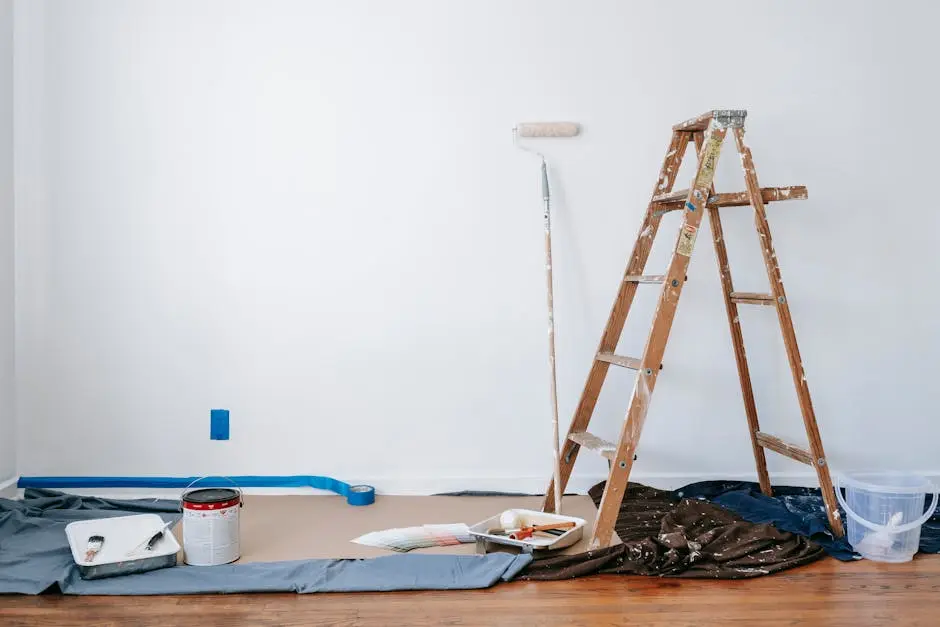
Once your basement is prepared and your sealing paint selected, it’s time to dive into the application process. First and foremost, gather all necessary tools, including quality brushes, rollers, and paint trays. Investing in the right equipment can facilitate an easier workflow and ensure an even coat. Consider using a roller for large wall areas and a brush for corners or tight spaces—this combination will yield a professional finish.
Start by applying the sealing paint to the edges and corners using a brush, then proceed with the roller for larger areas. It’s crucial to apply the paint in thin, even layers for effective results. Thick application can lead to drips and uneven drying, which could compromise the paint’s waterproofing abilities. Allow each coat to dry thoroughly before applying a second layer; this is essential for achieving the best barrier against moisture.
After the initial application, inspect your work and touch up any missed spots. Utilizing this two-step approach not only includes the paint but also ensures a thorough barrier against moisture. Also, make sure to follow the manufacturer’s recommendations on drying times and ventilation—proper airflow aids the drying process, helping you achieve optimal results.
After sealing your basement, maintenance is essential. Discover how to regularly inspect your basement for signs of moisture and maintain the paint to keep it effective.
Once you’ve applied basement sealing paint, the real work begins—not just during application, but in maintenance too. Regularly inspecting your basement for signs of moisture, such as discoloration or mold growth, is essential for preserving the integrity of your efforts. Make it a habit to check your basement every few months, especially after heavy rainfall or seasonal changes.
If you notice any areas showing signs of moisture, address them immediately. Patching minor issues promptly can prevent larger problems down the line and prolong the effectiveness of your sealing paint. In addition, keeping your basement well-ventilated can lessen humidity levels, reducing the risk of future moisture accumulation.
Additionally, consider conducting periodic touch-ups on the paint itself to maintain its protective qualities. Over time, wear and tear can wear down the durability of the sealing paint, making it more susceptible to moisture penetration. A fresh coat in affected areas can ensure continued protection, making this step an important part of your home maintenance routine.
By taking the time to choose the right basement sealing paint and applying it properly, you can significantly reduce the risk of water damage in your home. Remember, prevention is always better than cure. Follow these tips, and you’ll maintain a dry, healthy living space below ground.
{"one"=>"Select 2 or 3 items to compare", "other"=>"{{ count }} of 3 items selected"}